- People (including skills, experience, knowledge, culture and communication)
- Processes (including policies, role descriptions, usability and measurability)
- Products (technology, including performance, price and support)
- Partners (suppliers, including contracts, monitoring and reporting)
Showing posts with label Management Lessons. Show all posts
Showing posts with label Management Lessons. Show all posts
4 P’s of IT Service Management


This Applies to all managers
"The problem is the manager. He has a one-track relationship with players. Ask anyone here at Real Madrid. He can't change. You cannot go around just shouting at players. They need to feel special." -Jose Maurinho on Fabio Capello
Jose Maurinho is the special one, he is the best manager. He was not a good football player even he was dropped out of the squad, but he determine to be the best coach and now the only manager with PhD.
p/s:I'm a Newcastle Utd Fan.
Jose Maurinho is the special one, he is the best manager. He was not a good football player even he was dropped out of the squad, but he determine to be the best coach and now the only manager with PhD.
p/s:I'm a Newcastle Utd Fan.
The Hard Truth About Soft Skills, only 25% success in job depends on technical knowledge!
The Hard Truth about Soft Skills
By Shari Lifland
In business, we often hear HR-types refer to "soft skills." Since "soft" has a light-weight, somewhat warm and fuzzy connotation, these abilities are often considered unimportant, or, at most, secondary to the "hard" skills—technical ability and factual knowledge—needed to get the job done. But professional trainer Peggy Klaus is here to tell us that it's time to pay soft skills their props, because these are the core competencies that can make or break your career.
In her new book The Hard Truth About Soft Skills—Workplace Lessons Smart People Wish They'd Learned Sooner (Collins, 2008), Klaus presents 54 workplace lessons based on her years of training, coaching, and interviewing people at all levels. What she found is that people aren't getting where they want to go in their careers. She writes, "Whether young or old, experienced or inexperienced, what struck me most about their stories of missed opportunities and derailed careers was this: Their problems rarely stemmed from a shortfall in technical or professional expertise, but rather from a shortcoming in the soft skills arena with their personal, social, communication and self-management behaviors."
Research backs up Klaus's findings:
• Research conducted with Fortune 500 CEOs by the Stanford Research Institute International and the Carnegie Melon Foundation, found that 75% of long-term job success depends on people skills, while only 25% on technical knowledge.
• A survey conducted by the Graduate Management Admission Council found that although MBA's were strong in analytical aptitude, quantitative expertise, and information-gathering ability, they were sorely lacking in other critical areas that employers find equally attractive: strategic thinking, written and oral communication, leadership, and adaptability.
Klaus has organized her book into eight chapters, each covering an area in which soft skills play an especially significant role: career management, getting the job done, communication, handling critics, office politics, self-promotion, dealing with differences, and leadership. Here are some insights from the chapter on communication.
The Importance of Listening
To ensure that you really understand what the other person is saying:
§ Remain silent until the other person has finished. After she stops, ask for clarification with a question like, "Let me be sure that I understand what you're saying." Then paraphrase her words to see if you've gotten it right.
§ Be curious instead of defensive. Eagerly and excitedly, ask the other person to add more specifics so you can truly understand what she means.
§ Use both nonverbal and verbal cues to convey understanding and empathy, such as nodding your head in agreement saying things like, "I understand how you could feel that way," or "Please, tell me more."
General Listening Do's and Don'ts:
Do:
Klaus concludes: "Mastering soft skills takes persistence. It requires that you be mindful about yourself and your career. It demands that you look honestly and critically at your behavior, as well as genuinely being open to feedback—whether good or bad. Mastering these practical and tactical skills doesn't magically happen overnight. It requires hard work, but the payoff can be tremendous…Whether you are an extroverted marketing person or an introverted engineer, mastering the soft skills will serve you well."
If Klaus's findings inspire you to spiff up your own soft skills, you can take an online automated self-assessment quiz at www.peggyklaus.com that allows you to respond to 24 items and receive instant feedback on which soft skills areas you need to improve, along with customized advice from Klaus.
About the Author:
Shari Lifland manages content for AMA's Members-only Website, edits several AMA e-Newsletters, and is associate editor of MWorld.
By Shari Lifland
In business, we often hear HR-types refer to "soft skills." Since "soft" has a light-weight, somewhat warm and fuzzy connotation, these abilities are often considered unimportant, or, at most, secondary to the "hard" skills—technical ability and factual knowledge—needed to get the job done. But professional trainer Peggy Klaus is here to tell us that it's time to pay soft skills their props, because these are the core competencies that can make or break your career.
In her new book The Hard Truth About Soft Skills—Workplace Lessons Smart People Wish They'd Learned Sooner (Collins, 2008), Klaus presents 54 workplace lessons based on her years of training, coaching, and interviewing people at all levels. What she found is that people aren't getting where they want to go in their careers. She writes, "Whether young or old, experienced or inexperienced, what struck me most about their stories of missed opportunities and derailed careers was this: Their problems rarely stemmed from a shortfall in technical or professional expertise, but rather from a shortcoming in the soft skills arena with their personal, social, communication and self-management behaviors."
Research backs up Klaus's findings:
• Research conducted with Fortune 500 CEOs by the Stanford Research Institute International and the Carnegie Melon Foundation, found that 75% of long-term job success depends on people skills, while only 25% on technical knowledge.
• A survey conducted by the Graduate Management Admission Council found that although MBA's were strong in analytical aptitude, quantitative expertise, and information-gathering ability, they were sorely lacking in other critical areas that employers find equally attractive: strategic thinking, written and oral communication, leadership, and adaptability.
Klaus has organized her book into eight chapters, each covering an area in which soft skills play an especially significant role: career management, getting the job done, communication, handling critics, office politics, self-promotion, dealing with differences, and leadership. Here are some insights from the chapter on communication.
The Importance of Listening
To ensure that you really understand what the other person is saying:
§ Remain silent until the other person has finished. After she stops, ask for clarification with a question like, "Let me be sure that I understand what you're saying." Then paraphrase her words to see if you've gotten it right.
§ Be curious instead of defensive. Eagerly and excitedly, ask the other person to add more specifics so you can truly understand what she means.
§ Use both nonverbal and verbal cues to convey understanding and empathy, such as nodding your head in agreement saying things like, "I understand how you could feel that way," or "Please, tell me more."
General Listening Do's and Don'ts:
Do:
- Keep an open mind
- Listen attentively for the total meaning
- Tune in to the feelings of the speaker along with the facts
- Be present and focused
- Stay attentive to nonverbal cues
- Ask the right questions at the right time
- Pay attention to both content and delivery
- Know what your hot buttons are and don't let them rule your behavior
- Listen with your heart along with your head
- Make assumptions or prejudgments
- Try to fill "airtime"
- Interrupt with your thoughts or advice
- Interrogate
- Preach
- Take the subject off into another direction
- Multitask or let you mind wander
Klaus concludes: "Mastering soft skills takes persistence. It requires that you be mindful about yourself and your career. It demands that you look honestly and critically at your behavior, as well as genuinely being open to feedback—whether good or bad. Mastering these practical and tactical skills doesn't magically happen overnight. It requires hard work, but the payoff can be tremendous…Whether you are an extroverted marketing person or an introverted engineer, mastering the soft skills will serve you well."
If Klaus's findings inspire you to spiff up your own soft skills, you can take an online automated self-assessment quiz at www.peggyklaus.com that allows you to respond to 24 items and receive instant feedback on which soft skills areas you need to improve, along with customized advice from Klaus.
About the Author:
Shari Lifland manages content for AMA's Members-only Website, edits several AMA e-Newsletters, and is associate editor of MWorld.


Deliver a Presentation like Steve Jobs
Our communications coach breaks down the ace presenter's latest Macworld keynote. The result? A 10-part framework you can use to wow your own audience
When Apple (AAPL) CEO Steve Jobs kicked off this year's Macworld Conference & Expo, he once again raised the bar on presentation skills. While most presenters simply convey information, Jobs also inspires. He sells the steak and the sizzle at the same time, as one reader commented a few years ago.
I analyzed his latest presentation and extracted the 10 elements that you can combine to dazzle your own audience. Bear in mind that Jobs has been refining his skills for years. I broke down his 2007 Macworld keynote in a previous column (BusinessWeek.com, 7/6/07) and in a chapter in my latest book. Still, how he actually arrives at what appear to be effortless presentations bears expanding on and explaining again.
1. Set the theme. "There is something in the air today." With those words, Jobs opened Macworld. By doing so, he set the theme for his presentation (BusinessWeek.com, 1/15/08) and hinted at the key product announcement—the ultrathin MacBook Air laptop. Every presentation needs a theme, but you don't have to deliver it at the start. Last year, Jobs delivered the theme about 20 minutes into his presentation: "Today Apple reinvents the phone." Once you identify your theme, make sure you deliver it several times throughout your presentation.
2. Demonstrate enthusiasm. Jobs shows his passion for computer design. During his presentation he used words like "extraordinary," "amazing," and "cool." When demonstrating a new location feature for the iPhone, Jobs said, "It works pretty doggone well." Most speakers have room to add some flair to their presentations. Remember, your audience wants to be wowed, not put to sleep. Next time you're crafting or delivering a presentation, think about injecting your own personality into it. If you think a particular feature of your product is "awesome," say it. Most speakers get into presentation mode and feel as though they have to strip the talk of any fun. If you are not enthusiastic about your own products or services, how do you expect your audience to be?
3. Provide an outline. Jobs outlined the presentation by saying, "There are four things I want to talk about today. So let's get started…" Jobs followed his outline by verbally opening and closing each of the four sections and making clear transitions in between. For example, after revealing several new iPhone features, he said, "The iPhone is not standing still. We keep making it better and better and better. That was the second thing I wanted to talk about today. No. 3 is about iTunes." Make lists and provide your audience with guideposts along the way.
4. Make numbers meaningful. When Jobs announced that Apple had sold 4 million iPhones to date, he didn't simply leave the number out of context. Instead, he put it in perspective by adding, "That's 20,000 iPhones every day, on average." Jobs went on to say, "What does that mean to the overall market?" Jobs detailed the breakdown of the U.S smartphone market and Apple's share of it to demonstrate just how impressive the number actually is. Jobs also pointed out that Apple's market share equals the share of its top three competitors combined. Numbers don't mean much unless they are placed in context. Connect the dots for your listeners.
5. Try for an unforgettable moment. This is the moment in your presentation that everyone will be talking about. Every Steve Jobs presentation builds up to one big scene. In this year's Macworld keynote, it was the announcement of MacBook Air. To demonstrate just how thin it is, Jobs said it would fit in an envelope. Jobs drew cheers by opening a manila interoffice envelope and holding the laptop for everyone to see. What is the one memorable moment of your presentation? Identify it ahead of time and build up to it.
6. Create visual slides. While most speakers fill their slides with data, text, and charts, Jobs does the opposite. There is very little text on a Steve Jobs slide. Most of the slides simply show one image. For example, his phrase "The first thing I want to talk to you about today…" was accompanied by a slide with the numeral 1. That's it. Just the number. When Jobs discussed a specific product like the iPhone, the audience saw a slide with an image of the product. When text was introduced, it was often revealed as short sentences (three or four words) to the right of the image. Sometimes, there were no images at all on the slide but a sentence that Jobs had delivered such as "There is something in the air." There is a trend in public speaking to paint a picture for audiences by creating more visual graphics. Inspiring presenters are short on bullet points and big on graphics.
7. Give 'em a show. A Jobs presentation has ebbs and flows, themes and transitions. Since he's giving his audience a show instead of simply delivering information, Jobs includes video clips, demonstrations, and guests he shares the stage with. In his latest keynote, the audience heard from Jim Gianopulos, CEO and chairman of Fox Filmed Entertainment, and Paul Otellini, CEO of Intel ((INTC). Enhance your presentations by incorporating multimedia, product demonstrations, or giving others the chance to say a few words.
8. Don't sweat the small stuff. Despite your best preparation, something might go wrong as it did during the keynote. Jobs was about to show some photographs from a live Web site, and the screen went black while Jobs waited for the image to appear. It never did. Jobs smiled and said, "Well, I guess Flickr isn't serving up the photos today." He then recapped the new features he had just introduced. That's it. It was no big deal. I have seen presenters get flustered over minor glitches. Don't sweat minor mishaps. Have fun. Few will remember a glitch unless you call attention to it.
9. Sell the benefit. While most presenters promote product features, Jobs sells benefits. When introducing iTunes movie rentals, Jobs said, "We think there is a better way to deliver movie content to our customers." Jobs explained the benefit by saying, "We've never offered a rental model in music because people want to own their music. You listen to your favorite song thousands of times in your life. But most of us watch movies once, maybe a few times. And renting is a great way to do it. It's less expensive, doesn't take up space on our hard drive…" Your listeners are always asking themselves, "What's in it for me?" Answer the question. Don't make them guess. Clearly state the benefit of every service, feature, or product.
10. Rehearse, rehearse, rehearse. Steve Jobs cannot pull off an intricate presentation with video clips, demonstrations, and outside speakers without hours of rehearsal. I have spoken to people within Apple who tell me that Jobs rehearses the entire presentation aloud for many hours. Nothing is taken for granted. You can see he rehearsed the Macworld presentation because his words were often perfectly synchronized with the images and text on the slides. When Jobs was showing examples of the films that are available on the new iTunes movie rental service, one poster of a particular film appeared at the exact moment he began to talk about it. The entire presentation was coordinated. A Steve Jobs presentation looks effortless because it is well-rehearsed.
SOURCE
Jack of all trades
Jack of all trades
Jack of all trades, master of none is a figure of speech, describing a person who is passably competent with many skills but is not outstandingly brilliant with any one particular skill. The term has become a cliché.The above is actually a truncated version of the true epithet. The phrase in its entirety is "Jack of all trades, master of none, though ofttimes better than master of one". This complete phrasing of the term would seem to remove any negative connotations which follow the labeling as such in the former form.
A Jack of all trades may be a master of integration, since the individual knows enough from many learned trades and skills to be able to bring their disciplines together into a practical finished product. Such a person is known as a polymath or a Renaissance man; the prototypical example of which is probably Leonardo da Vinci.
Who the f***
PECAH RUMAH - LAHABAU BETUL !!
Yesterday morning some f**ker broke into my house when im still in my house in my room sleeping. What missing?
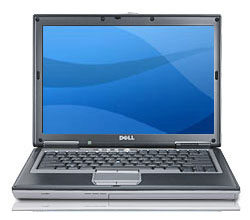
My 3 weeks old laptop were gone - sh**. Why we dont have or i dont have CSI kit at home so i can find whick f**ker broke into my house.
p/s: Sape la ni punya keje, suspek orang antara tingkat 2 hingga tingkat 5 apartment aku sendiri. Damn i miss my laptop already since this is the 1st time i got very high specs laptop to do my job with 1gb memory, duo core processor and 80gb disk- damn i can put 4 os running at same time on VMWare. Kepada pencuri tersebut, aku sumpah otak ko jadi cam hardisk lepas 3 tahun koyak pastu tak leh repair jadi gila la tu.
Yesterday morning some f**ker broke into my house when im still in my house in my room sleeping. What missing?
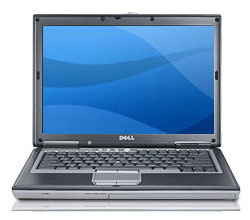
My 3 weeks old laptop were gone - sh**. Why we dont have or i dont have CSI kit at home so i can find whick f**ker broke into my house.
p/s: Sape la ni punya keje, suspek orang antara tingkat 2 hingga tingkat 5 apartment aku sendiri. Damn i miss my laptop already since this is the 1st time i got very high specs laptop to do my job with 1gb memory, duo core processor and 80gb disk- damn i can put 4 os running at same time on VMWare. Kepada pencuri tersebut, aku sumpah otak ko jadi cam hardisk lepas 3 tahun koyak pastu tak leh repair jadi gila la tu.
DECISION MAKING
DECISION MAKING
Decision making is the cognitive process leading to the selection of a course of action among alternatives. Every decision making process produces a final choice. It can be an action or an opinion. It begins when we need to do something but we do not know what. Therefore, decision-making is a reasoning process which can be rational or irrational, and can be based on explicit assumptions or tacit assumptions.
Common examples include shopping, deciding what to eat, when to sleep, and deciding whom or what to vote for in an election or referendum.
Decision making is said to be a psychological construct. This means that although we can never "see" a decision, we can infer from observable behaviour that a decision has been made. Therefore, we conclude that a psychological event that we call "decision making" has occurred. It is a construction that imputes commitment to action. That is, based on observable actions, we assume that people have made a commitment to affect the action.
Structured rational decision making is an important part of all science-based professions, where specialists apply their knowledge in a given area to making informed decisions. For example, medical decision making often involves making a diagnosis and selecting an appropriate treatment. Some research using naturalistic methods shows, however, that in situations with higher time pressure, higher stakes, or increased ambiguities, experts use intuitive decision making rather than structured approaches, following a recognition primed decision approach to fit a set of indicators into the expert's experience and immediately arrive at a satisfactory course of action without weighing alternatives.
Due to the large number of considerations involved in many decisions, computer-based decision support systems have been developed to assist decision makers in considering the implications of various courses of thinking. They can help reduce the risk of human errors. The systems which try to realize some human/cognitive decision making functions are called Intelligent Decision Support Systems (IDSS), see for ex. "An Approach to the Intelligent Decision Advisor (IDA) for Emergency Managers, 1999".
MY post:
God please help me in making this decision hopefully this is the best for me and my future. This is so difficult, between money and interest which one would you take.
Decision making is the cognitive process leading to the selection of a course of action among alternatives. Every decision making process produces a final choice. It can be an action or an opinion. It begins when we need to do something but we do not know what. Therefore, decision-making is a reasoning process which can be rational or irrational, and can be based on explicit assumptions or tacit assumptions.
Common examples include shopping, deciding what to eat, when to sleep, and deciding whom or what to vote for in an election or referendum.
Decision making is said to be a psychological construct. This means that although we can never "see" a decision, we can infer from observable behaviour that a decision has been made. Therefore, we conclude that a psychological event that we call "decision making" has occurred. It is a construction that imputes commitment to action. That is, based on observable actions, we assume that people have made a commitment to affect the action.
Structured rational decision making is an important part of all science-based professions, where specialists apply their knowledge in a given area to making informed decisions. For example, medical decision making often involves making a diagnosis and selecting an appropriate treatment. Some research using naturalistic methods shows, however, that in situations with higher time pressure, higher stakes, or increased ambiguities, experts use intuitive decision making rather than structured approaches, following a recognition primed decision approach to fit a set of indicators into the expert's experience and immediately arrive at a satisfactory course of action without weighing alternatives.
Due to the large number of considerations involved in many decisions, computer-based decision support systems have been developed to assist decision makers in considering the implications of various courses of thinking. They can help reduce the risk of human errors. The systems which try to realize some human/cognitive decision making functions are called Intelligent Decision Support Systems (IDSS), see for ex. "An Approach to the Intelligent Decision Advisor (IDA) for Emergency Managers, 1999".
MY post:
God please help me in making this decision hopefully this is the best for me and my future. This is so difficult, between money and interest which one would you take.
4 Golden Lessons From The Apprentice by A.Williams
4 Golden Lessons From The Apprentice by A.Williams
Remember Melissa from The Apprentice? Yeah, neither do I. She did something unthinkable during some random task on the first episode of last season and got the axe. The same happened to Chris, Jennifer W., poor ol' Toral, and every other Tom, Dick and Harry who did something completely half-witted on national television.
Everyone watches the show and rolls their eyes in disbelief, completely convinced that they can outperform any one of these mindless candidates. But is this true? When the pressure's on, would you be able to impress dear ol' Donald and avoid the wrath of his spine-tingling, hair-raising catchphrase, "You're fired?"
Whether you find yourself in the audition room for the next Apprentice or in the conference room down the hall from your cubicle, here are some of the golden rules to succeed in business, Trump-style.
1- Keep it simple
It's Monday morning, 9 a.m. Your boss suddenly announces you' re going to be presenting your proposal to the company shareholders tomorrow. The sound of his, "You better make it good, Johnson," keeps resonating in your ears. In the midst of heart-pounding panic and a clammy, cold sweat, you think, "This has to be big -- I want music, I want effects, I want costumes!" But let's put a hold on this Broadway production before you make a fool of yourself.
The first golden rule of becoming successful in business is keeping it simple. Bigger is not necessarily better. For illustrative purposes, let's take a look at a past episode of The Apprentice. The teams were told they had to create a campaign to generate the most customer phone calls to a Shania Twain perfume hotline. One team hired people to wear sandwich boards and advertise the campaign by word-of-mouth, while the other team thought outside the box, plastering Shania Twain posters all over horse and buggy carriages, ultimately experiencing a shameful defeat.
The lesson of this story: people can sell, horses can't. While the music, effects and costumes might seem like an impressive, "outside-the-box" kind of move, you're better off going back to basics (i.e. a well-rehearsed speech, some handouts organized in drab, gray folders and maybe a short PowerPoint presentation). This foolproof method will have you lunching with the execs in no time.
There are reasons why a good suit is associated with success and not stupidity...
2- Research, research, research
Going into a presentation or writing a report without doing the proper research is on par with crossing the street blindfolded -- you're simply screwed.
Apprentice teams who missed out on executive interviews for marketing tasks usually ended up suffering humiliating losses ( la Capital Edge's loss after skipping an interview with executives for a Star Wars campaign).
You may have a brilliant idea for that BMW campaign, but all those bells and whistles might prove pointless if you haven't performed the necessary research. Put aside your great models in lingerie and dancing bears idea for a while, and have a chat with the BMW executives -- what's their target audience? What do they envision? What would they hate? If you get the scoop straight from the source, you'll be sure to impress.
3- No more Mr. Nice Guy
Have you seen Office Space? Not only does it portray the truth about life in the workplace, but it also shows a man living out every disgruntled worker's fantasy -- telling his boss exactly what he thinks. You'd think this would get him fired, but, instead, he gets promoted.
If Office Space taught me anything, it's that most jobs will leave you miserable and that nice guys definitely finish last.
Let's apply this idea to the ever-so-compelling Apprentice. Remember that episode when Excel stole the megapho nes from Capital Edge, destroying their competitor's campaign? While many of us with a conscience wouldn't even fathom the idea of stealing to win, these contestants didn't think twice. The outcome of this devilishly sly act? A congratulatory pat on the head by none other than Donald Trump himself, along with a landslide victory.
What's the moral of this story? Well, there isn't one -- morals have no place in business. It's a dog-eat-dog world, so if you think you have the perfect plan to sabotage Billy's promotion and nab it for yourself, don't bat an eye -- Trump says it's okay.
4- Dress for success
This might be a shallow lesson, but it's a golden one nonetheless. If you dress the part, you'll feel the part; and if you feel the part, you'll eventually become the part. So, go downtown and hit some swanky shops. You're going to need the basics -- a black suit and a blue suit (single-breasted jacket with three buttons, flat-fr ont pants), black leather shoes (no laces), and a varied color palette of dress shirts and ties (with no distracting patterns). It doesn't end with clothing, though. You must always be well groomed (neat hair, clean shaven) and do not overload on the after-shave.
You don't need to be tall, dark and handsome to succeed in business, but you need to appear in such a way that people will take you seriously.
I don't know about you, but I can't recall an unattractive, badly dressed contestant winning the big Apprentice-ship. After all, that guy with the bowties was fired well into the beginning of the season.
putting it all together
Each lesson might be difficult to integrate into your daily work routine at first, but if you ease your way into each lesson, one at a time, you'll notice an immediate improvement in your work performance. So go ahead, give 'em a try and make "The Donald" proud.
p/s: No more Mr. Nice Guy , be meant
Remember Melissa from The Apprentice? Yeah, neither do I. She did something unthinkable during some random task on the first episode of last season and got the axe. The same happened to Chris, Jennifer W., poor ol' Toral, and every other Tom, Dick and Harry who did something completely half-witted on national television.
Everyone watches the show and rolls their eyes in disbelief, completely convinced that they can outperform any one of these mindless candidates. But is this true? When the pressure's on, would you be able to impress dear ol' Donald and avoid the wrath of his spine-tingling, hair-raising catchphrase, "You're fired?"
Whether you find yourself in the audition room for the next Apprentice or in the conference room down the hall from your cubicle, here are some of the golden rules to succeed in business, Trump-style.
1- Keep it simple
It's Monday morning, 9 a.m. Your boss suddenly announces you' re going to be presenting your proposal to the company shareholders tomorrow. The sound of his, "You better make it good, Johnson," keeps resonating in your ears. In the midst of heart-pounding panic and a clammy, cold sweat, you think, "This has to be big -- I want music, I want effects, I want costumes!" But let's put a hold on this Broadway production before you make a fool of yourself.
The first golden rule of becoming successful in business is keeping it simple. Bigger is not necessarily better. For illustrative purposes, let's take a look at a past episode of The Apprentice. The teams were told they had to create a campaign to generate the most customer phone calls to a Shania Twain perfume hotline. One team hired people to wear sandwich boards and advertise the campaign by word-of-mouth, while the other team thought outside the box, plastering Shania Twain posters all over horse and buggy carriages, ultimately experiencing a shameful defeat.
The lesson of this story: people can sell, horses can't. While the music, effects and costumes might seem like an impressive, "outside-the-box" kind of move, you're better off going back to basics (i.e. a well-rehearsed speech, some handouts organized in drab, gray folders and maybe a short PowerPoint presentation). This foolproof method will have you lunching with the execs in no time.
There are reasons why a good suit is associated with success and not stupidity...
2- Research, research, research
Going into a presentation or writing a report without doing the proper research is on par with crossing the street blindfolded -- you're simply screwed.
Apprentice teams who missed out on executive interviews for marketing tasks usually ended up suffering humiliating losses ( la Capital Edge's loss after skipping an interview with executives for a Star Wars campaign).
You may have a brilliant idea for that BMW campaign, but all those bells and whistles might prove pointless if you haven't performed the necessary research. Put aside your great models in lingerie and dancing bears idea for a while, and have a chat with the BMW executives -- what's their target audience? What do they envision? What would they hate? If you get the scoop straight from the source, you'll be sure to impress.
3- No more Mr. Nice Guy
Have you seen Office Space? Not only does it portray the truth about life in the workplace, but it also shows a man living out every disgruntled worker's fantasy -- telling his boss exactly what he thinks. You'd think this would get him fired, but, instead, he gets promoted.
If Office Space taught me anything, it's that most jobs will leave you miserable and that nice guys definitely finish last.
Let's apply this idea to the ever-so-compelling Apprentice. Remember that episode when Excel stole the megapho nes from Capital Edge, destroying their competitor's campaign? While many of us with a conscience wouldn't even fathom the idea of stealing to win, these contestants didn't think twice. The outcome of this devilishly sly act? A congratulatory pat on the head by none other than Donald Trump himself, along with a landslide victory.
What's the moral of this story? Well, there isn't one -- morals have no place in business. It's a dog-eat-dog world, so if you think you have the perfect plan to sabotage Billy's promotion and nab it for yourself, don't bat an eye -- Trump says it's okay.
4- Dress for success
This might be a shallow lesson, but it's a golden one nonetheless. If you dress the part, you'll feel the part; and if you feel the part, you'll eventually become the part. So, go downtown and hit some swanky shops. You're going to need the basics -- a black suit and a blue suit (single-breasted jacket with three buttons, flat-fr ont pants), black leather shoes (no laces), and a varied color palette of dress shirts and ties (with no distracting patterns). It doesn't end with clothing, though. You must always be well groomed (neat hair, clean shaven) and do not overload on the after-shave.
You don't need to be tall, dark and handsome to succeed in business, but you need to appear in such a way that people will take you seriously.
I don't know about you, but I can't recall an unattractive, badly dressed contestant winning the big Apprentice-ship. After all, that guy with the bowties was fired well into the beginning of the season.
putting it all together
Each lesson might be difficult to integrate into your daily work routine at first, but if you ease your way into each lesson, one at a time, you'll notice an immediate improvement in your work performance. So go ahead, give 'em a try and make "The Donald" proud.
p/s: No more Mr. Nice Guy , be meant
Quote #May-17th > IT: the world's most stressful professi
IT: the world's most stressful profession
A poll has revealed what sobbing IT operatives already know only too well: their chosen profession is the most stressful on God's Green Earth and Iraqi A&E doctors should consider themselves lucky not to spend their days at the sharp end of a relentless assault of clueless users and badgering bosses.That's the conclusion of a probe of 3,000 "IT experts" carrried out by "online learning provider" SkillSoft, which reveals the staggering fact that "97 per cent of people working in IT claim to find their life at work stressful on a daily basis".
Indeed, four-fifths of IT consultants "feel stressed before they even enter the workplace", while a quarter of the poor buggers "are under such enormous pressure to perform at work they have taken time off suffering with stress".
One pollee wailed: "I spend most of my day fielding calls from people who don't even have a basic knowledge of computers and printers. It is amazing the amount of time I spend teaching people where the on-off button is. And when I do actually find a technical problem to solve, I have my manager breathing down my neck wondering why I have a backlog of complaints."
Bless. According to SkillSoft MD Kevin Young: "Our research was sparked by a recent Gartner report which claims that the untrained or under-trained desktop user will cost an organisation five times more to support than a well-trained worker. This led us to thinking about how much pressure this must also put on the IT professionals who have to provide such support.
"By commissioning this study, our aim was to establish to what level workload affects the stress levels of people working in IT and across a variety of other job disciplines; and to learn more about the sort of other factors that impact on stress in the workplace."
Whatever. Here are the top ten most stressful jobs, according to SkillSoft:
1. IT
2. Medicine/Caring Profession
3. Engineering
4. Sales and Marketing
5. Education
6. Finance
7. Human Resources
8. Operations
9. Production
10. Clerical
And here's an alternative top ten as compiled by the Vulture Central Statistical Analysis Soviet:
1. Iraqi police recruit
2. US Army bomb disposal expert
3. Baghdad A&E doctor
4. British Airways pilot
5. Naomi Campbell's personal assistant
6. Naomi Campbell's housekeeper
7. Dick Cheney's shooting buddy
8. Steve Ballmer's office furniture supplier
9. President Bush's grammatical consultant
10. Wayne Rooney's fiancée
11. IT journalist
®
[root@sqew ~]#wget http://www.theregister.co.uk/2006/05/16/most_stressful_profession/
Ten Steps to Wise Decision-Making
This process can be applied to any situation where you need to make an important decision. If you follow these ten basic steps, you will find yourself making wiser decisions, both in your professional as well as your personal life.
-
Define, as specifically as possible, what the decision is that needs to be made. Is this really your decision or someone else's? Do you really need to make a decision? (If you do not have at least two options, there is no decision to be made.) When does the decision need to be made? Why is this decision important to you? Who will be affected by this decision? What values does this decision involve for you?
-
Write down as many alternatives as you can think of. Brainstorm as many different alternatives as you can imagine. Let your imagination run free and try not to censure anything. This is not the time to be judgmental. Just be sure to write everything down.
-
Think where you could find more information about possible alternatives. If you only come up with a few alternatives, you may want to get more information. Additional information generally leads to more alternatives. Places where you can look for the information you need include friends, family, clergy, co-workers, state and federal agencies, professional organizations, online services, newspapers, magazines, books, and so on.
-
Check out your alternatives. Once you have a list of alternatives, use the same sources of information to find out more about the specifics of each option. You will find that the more information you gather, the more ideas will pop into your head. Be sure to write these down and check them out too.
-
Sort through all of your alternatives. Now that you have your list of alternatives, it is time to begin evaluating them to see which one works for you. First, write down the values that would come into play for each alternative. Second, look for the alternatives which would allow you to use the greatest number of your values. Third, cross the alternatives off the list which do not fit into your personal value framework.
-
Visualize the outcomes of each alternative. For each remaining alternative on your list, picture what the outcome of that alternative will look like. Here, too, it helps if you write out your impressions.
-
Do a reality check. Which of your remaining alternatives are most likely to happen? Cross off those alternatives that most likely will not happen to you.
-
Which alternative "fits" you? Review your remaining alternatives and decide which ones feel most comfortable to you. These are your wise decisions. If you are very happy about a decision, but are not as comfortable with its possible outcome, this is a clue that this is not a wise decision for you. On the other hand, you may dislike an alternative, but be very excited about the possible outcome. This decision would probably not be wise for you either. If you feel you can live with both the alternative as well as the possible outcome, this is the wise decision you should follow.
-
Get started! Once you have made your decision, get moving on it. Worrying or second-guessing yourself will only cause you grief. You have done your very best for the present. You always have the option of changing your mind in the future if you want to. Remember, no decision is set in stone.
-
How is it going? Be sure to review your decision at specified points along the road. Are the outcomes what you expected? Are you happy with the outcomes? Do you want to let the decision stand or would you like to make some adjustments? If the decision did not come out the way you planned, go through the complete decision-making process again. In the process, answer the following questions. Did I not have enough information? What values actually came into play? Were they my values or someone else's? Remember, you can always change your mind!
Even i have a damn sucks life last week, some people in my life circle had a very good life a good day... i hope its a continuenity. By the way, our life path or job is all depends on how good a decision maker we are. Thats why i put this article so peoples can read.
[mood] - Tension (Miserable life !!!)
[musique] - Rob Thomas : Time After Time
The 7 Top Management Errors that Lead to Computer Security Vulnerabilities
No 7: Pretend the problem will go away if they ignore it.
No 6: Authorize reactive, short-term fixes so problems re-emerge rapidly
No 5: Fail to realize how much money their information and organizational reputations are worth.
No 4: Rely primarily on a firewall.
No 3: Fail to deal with the operational aspects of security: make a few fixes and then not allow the follow through necessary to ensure the problems stay fixed
No 2: Fail to understand the relationship of information security to the business problem -- they understand physical security but do not see the consequences of poor information security.
No 1: Assign untrained people to maintain security and provide neither the training nor the time to make it possible to do the job.
[musique on air]
Slum Village - Slumber
[Current mood]
Lil bit sleepy + Worry + Happy

